Field notes on sound money, good food & practical legal writing

ISSUE 003 / OCTOBER 2026

Three
obsessions.
One notebook.

I mine Bitcoin, chase memorable meals, practice law, and go to the Bitcoin conference every year. This is where the hash rate, hot sauce, and hard questions meet.

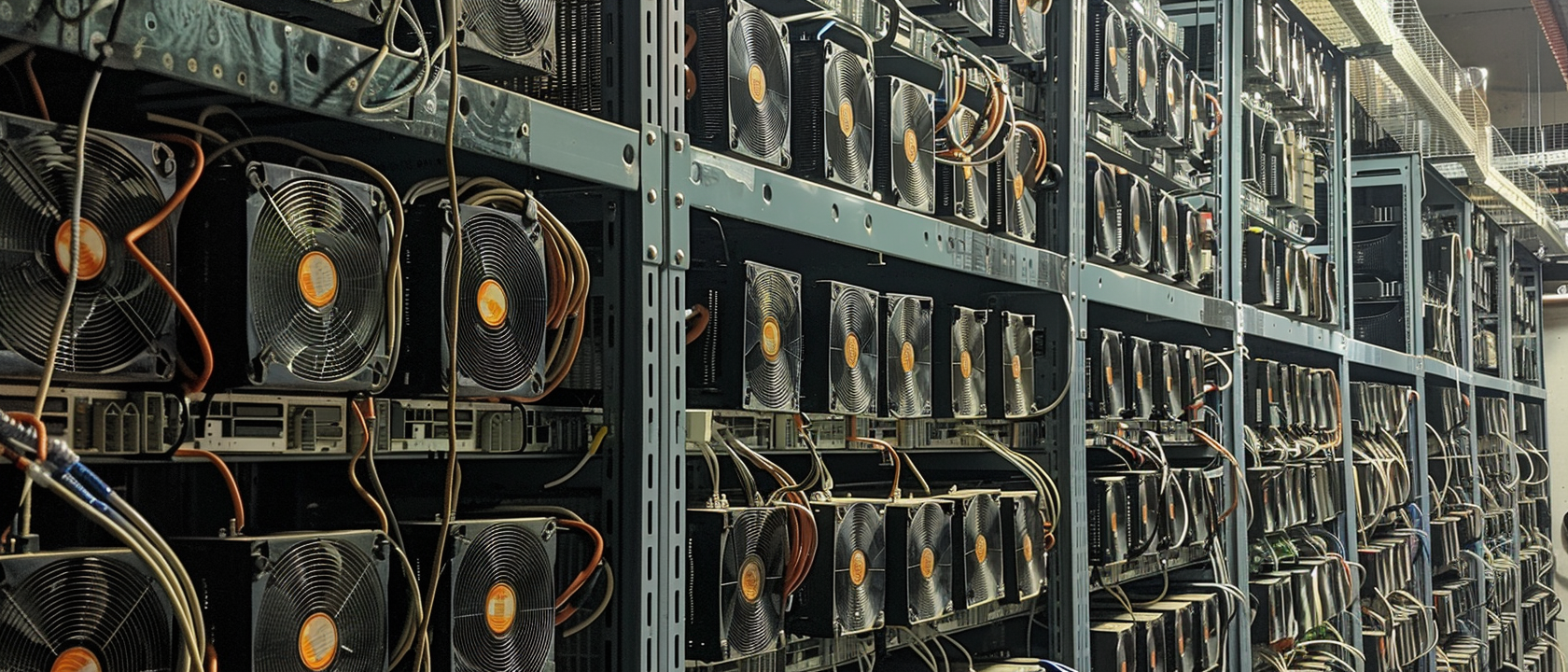
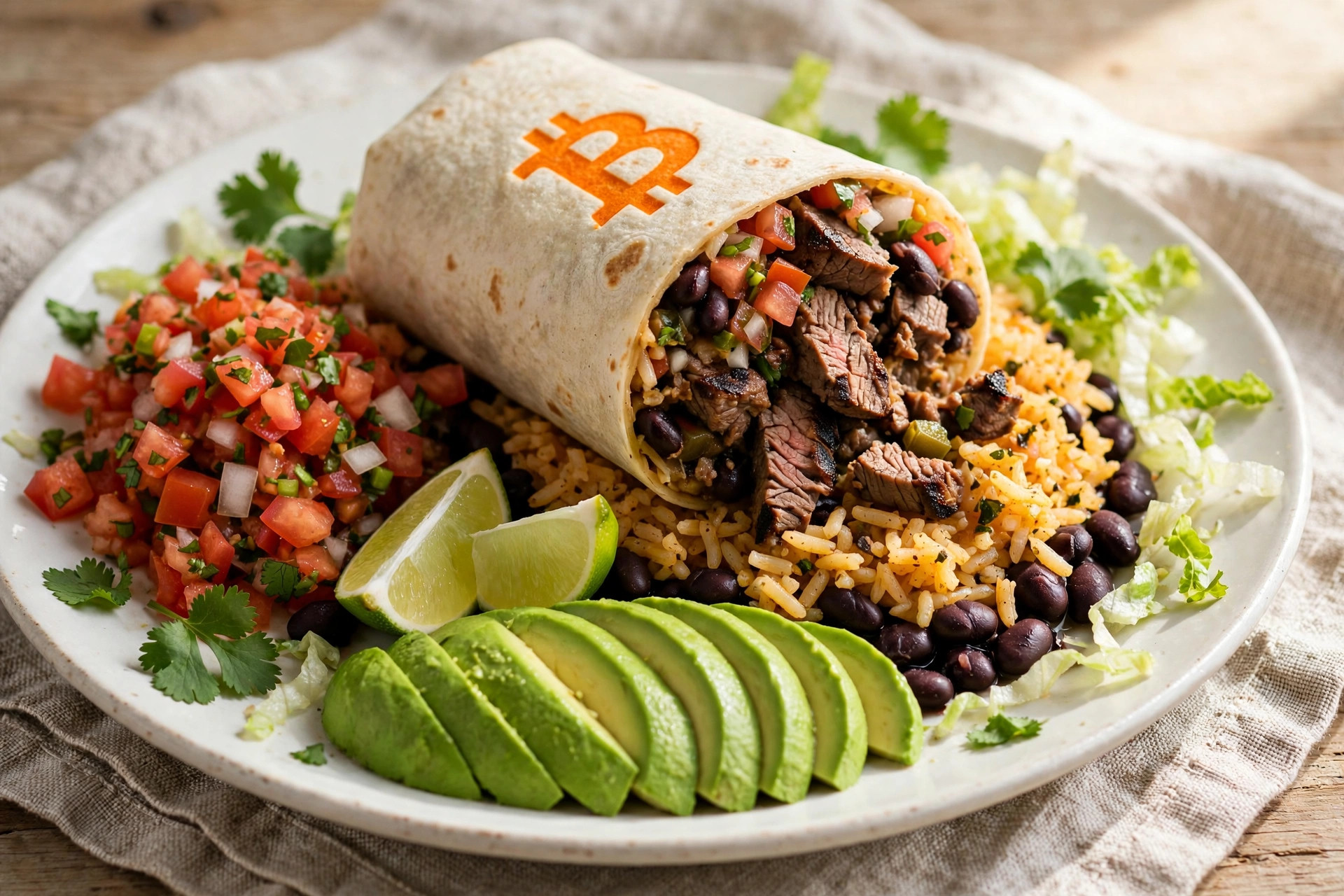
Rows of Bitcoin mining computers with circular cooling fans A blurred Arizona Superior Court pleading page with a red pen resting on it Half a carne asada burrito with an orange Bitcoin logo resting on Mexican rice and black beans, with pico de gallo, avocado, lime, lettuce, and cilantro
Bitcoin

Mining notes, policy shifts, and the things worth watching past the price ticker.

Burritos

Great meals, practical recipes, and a strict refusal to accept a bad tortilla.

Briefs

Practical tips for legal writing and litigation practice, clearly framed.

01 / BITCOIN

What could break Bitcoin

Nic Carter on quantum computing and a decade of lead time going to waste.

10 YRS
The quantum clock Carter expects quantum machines to threaten Bitcoin's cryptography within about ten years, and the migration to quantum resistant addresses could take nearly as long

Nic Carter, general partner at Castle Island Ventures, sat down with Natalie Brunell on Coin Stories to talk about what could actually break Bitcoin. He kept returning to one subject. Quantum computing.

The risk, in plain terms. A Bitcoin address is protected by math. Your private key is a secret number, and the public side of the address is built from that number in a way no computer today can run backward. A powerful quantum computer changes the math. Given enough time, it could work backward from the public side, recover the secret, and take the coins. Whoever holds the secret holds the bitcoin.

Start now, not later. Carter is not predicting doom, and he is not telling anyone to sell. His point is about the calendar. He expects machines that can crack Bitcoin keys in about ten years. The defense is already understood. Bitcoin can adopt new signatures that quantum computers cannot crack, and holders can move their coins to addresses that use them. But nothing about that move is quick. The network has to agree on the new design. The software has to be written and tested. Then tens of millions of addresses have to move, one holder at a time. Work like that is measured in years. Carter argues the years are only available if the work starts now, in calm conditions, and not in a panic with the price falling and the network split over what to do. His warning about total disarray was aimed at delay, not at holders. It describes what happens if Bitcoin waits.

The Satoshi problem. The hardest piece has a name. Roughly 1.7 million bitcoin sit in the earliest addresses, mined in 2009 and 2010, and many of them are believed to belong to Satoshi Nakamoto. Those old addresses expose the public side of the key for anyone to see, and their owners are gone or silent. Nobody can move those coins to safer addresses. When a quantum machine arrives, those are the first coins it can steal, and a theft on that scale would do more than enrich a thief. It would put a fortune in stolen bitcoin over the market and shake faith in the whole system.

Hold the coins like a court would. The exposed coins cannot move themselves, and their owners are not coming back to move them. So Carter's plan starts with a deliberate crack. Before any hostile machine exists, the Bitcoin community would hire a firm with early quantum capability to break into those old addresses first, on purpose and in the open, beating the thieves to it. The firm works as a hired hand, not an owner. Every coin it recovers goes straight into a locked arrangement, and none of it belongs to the firm.

His model for that arrangement borrows from the law. Think of an interpleader. When money is disputed, a stakeholder can hand the money to a court, and the court holds it while the claimants prove who owns it. The recovered coins would sit locked in the same way, in the open and untouched, while anyone who can prove ownership may claim them. Proof is easy for a true owner, even years from now. The owner signs a message with the original private key, something only the real key holder can do. A quantum thief gains nothing from attacking the old addresses, because they stand empty, and a claim demands the very key the thief was hoping to steal. The coins remain Satoshi's. They simply stop being a prize waiting for the first quantum machine.

SOURCE: NATALIE BRUNELL, COIN STORIES, "NIC CARTER: WHAT COULD BREAK BITCOIN? QUANTUM COMPUTING, AI & WEALTH TAXES," OCTOBER 27, 2026.
02 / BURRITOS

In limine and lime

One legal word and one food word. In limine is Latin for at the threshold, where trials are quietly decided. Lime finishes almost everything that comes off the grill.

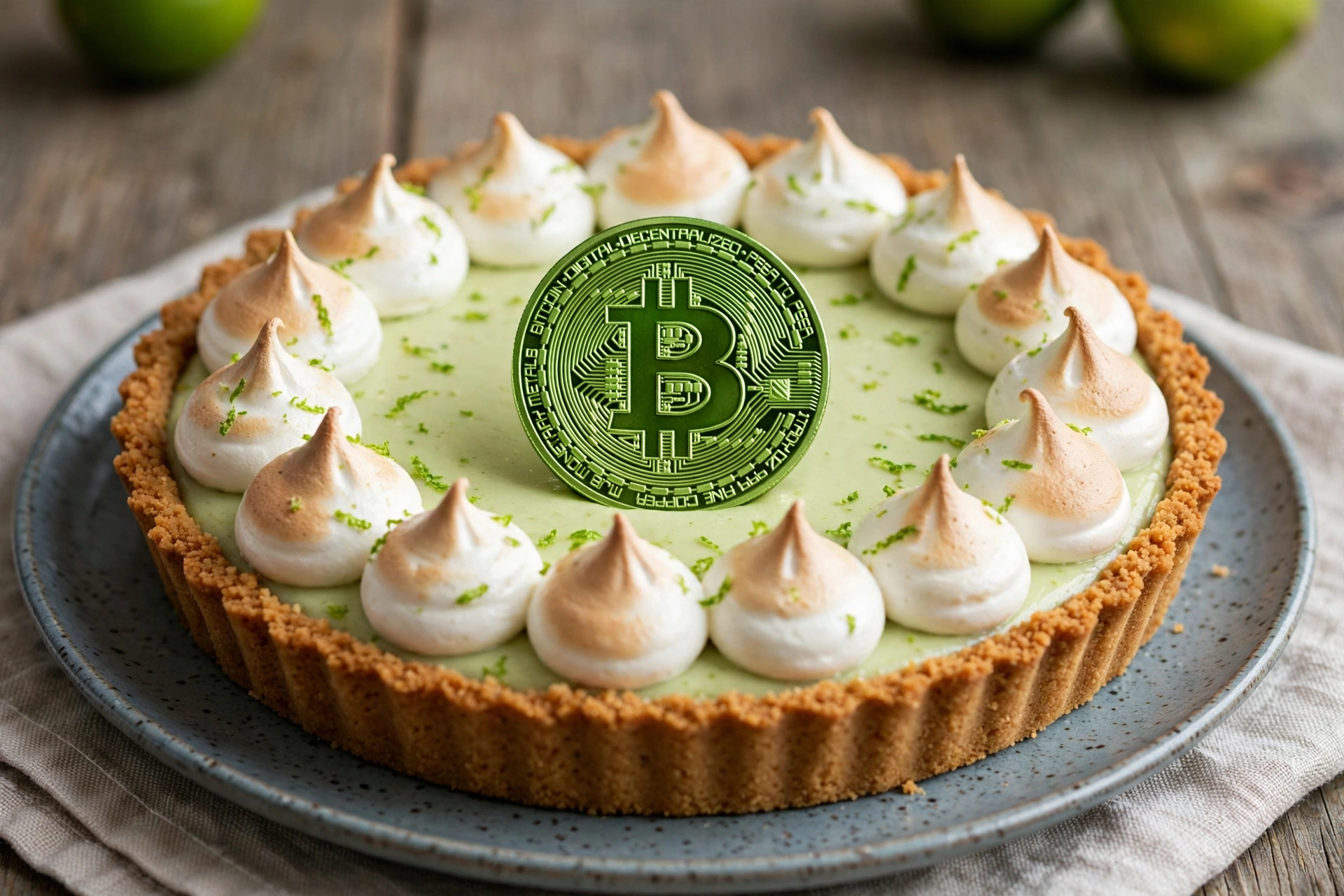
Key lime pie with meringue dollops and a green Bitcoin coin on top, garnished with lime slices

THE LEGAL WORD

In limine

In limine is Latin for at the threshold. A motion in limine, an MIL in the shorthand of everyone who files them, asks the judge to rule at the threshold of trial, before the jury hears a word, that certain evidence stays out. The rulings happen in the quiet before the storm, and they shape everything that follows.

The reason is simple. A jury cannot unhear a bell. Once a juror learns a fact she was never supposed to know, no instruction from the bench fully removes it. An MIL is how a lawyer keeps the bell from ringing at all.

The same targets come up in case after case.

Insurance. The most common motion of all. The fact that a defendant carries liability insurance is not admissible to prove fault, and jurors who know an insurer stands behind the defendant judge the case differently. Every litigator knows it. The standard motion keeps the word insurance out of the trial entirely.

Settlement talks. An offer to compromise a claim cannot be used to prove liability, and one stray mention of settlement in front of the jury can poison the room. It goes on the list.

Subsequent remedial measures. A repair made after an injury cannot be used to prove the defendant was careless before it. The law refuses to punish a party for making things safer afterward.

Prior bad acts. Other accidents, other claims, other lawsuits, other misconduct. Character evidence dressed up as pattern stays out unless a real exception carries it in.

Graphic photographs. Injury pictures whose power is shock rather than proof. The fight is over how many the jury needs to see and for how long.

Reptile tactics. The Reptile approach teaches the plaintiff to frame the case as a danger to the whole community and to ask the jury to send a message. Defense MILs now go after the script itself, the safety rules, the community danger language, the send a message appeal, as argument built to inflame rather than to prove. Judges split on how much of it to allow, which is exactly why the motion gets filed.

Undisclosed opinions. Expert opinions and documents the other side never produced in discovery. Trial by ambush is not supposed to happen, and an MIL is the tool that stops it.

Good practice starts with the calendar. In most cases the judge sets a deadline for MILs, usually in the scheduling order and often weeks before trial, and a late motion can be denied as untimely without ever being read. Circle that date first. Then file early enough that the judge can actually read the motion. Ask for rulings on the evidence that matters, not on everything in the file. Remember that an MIL ruling is preliminary, so if the evidence surfaces at trial anyway, object on the record or the point may be gone on appeal. And when you win, honor the ruling on your own side. More trials are lost by the lawyer who opens the door than by the lawyer who never got the ruling.

Win at the threshold, and trial day gets much shorter.

THE FOOD WORD

Lime does quiet work in this kitchen. It cuts the fat in a burrito, brightens beans and rice, and finishes almost everything that comes off the grill. Once a year it gets to be the whole show. Key lime pie is tart, cold, and honest. The filling follows the proportions on the Nellie and Joe's Key West lime juice bottle, the standard in Florida for decades. The crust is ours, adapted to be gluten free.

Key lime pie

THE RECORD

  • 1½ cups gluten free graham style crumbs
  • 5 tablespoons butter, melted
  • 2 tablespoons sugar, plus 3 tablespoons for the meringue
  • 3 large eggs, separated, whites reserved
  • 1 can (14 ounces) sweetened condensed milk
  • ½ cup key lime juice, bottled is fine
  • 1 teaspoon lime zest, plus more to finish
  • Thin lime slices, to garnish
  • Lightly sweetened whipped cream, the other finish

THE HOLDING

  1. Press the crumbs, butter, and sugar into a nine inch pie pan and bake at 350 degrees for eight minutes.
  2. Whisk the three large egg yolks with the sweetened condensed milk. Add the key lime juice and the lime zest. Whisk until smooth.
  3. Pour into the warm crust and bake at 350 degrees for fifteen minutes, until the center is just set. Let it stand ten minutes before it goes into the refrigerator.
  4. Chill at least four hours, and overnight is better. The pie keeps setting as it chills, and a pie cut too early will slump no matter how well it baked.
  5. For the top, there are two honest choices. Whipped cream, lightly sweetened, is the Nellie and Joe's finish. Or use the three whites you set aside for a meringue, the way the pie is served in Key West: beat the whites to soft peaks, add three tablespoons of sugar, beat to stiff peaks, dollop or spread over the chilled pie, and run it under a hot broiler for a minute until the peaks take color. Garnish with thin lime slices and more zest either way.
  6. Serve cold. The pie should taste like lime first and sugar second. If it tastes like candy, the juice was short.

A variation for a lighter pie, borrowed from Pepe's Cafe in Key West: whip one of the whites to soft peaks and fold it into the filling before baking. The filling rises a little and eats less dense.

TART, COLD, AND HONEST. THE FILLING FOLLOWS THE NELLIE AND JOE'S PROPORTIONS.

GLUTEN-FREE NOTE: The pie is naturally gluten free only with a certified gluten free crumb or an almond flour crust, so read the box. Everything after the crust is gluten free on its own.

03 / BRIEFS

The deep issue

Bryan Garner on the seventy five words that frame everything after them.

A blurred Arizona Superior Court pleading page with a red pen resting on it
Garner: state the law, state the facts, end with the question.

Bryan Garner wants you to ban the one sentence issue.

The question presented that begins with the word whether and runs six lines is where briefs go to die. In its place he offers the deep issue, and Justice Antonin Scalia called it Garner's greatest contribution to advocacy.

The deep issue is the ultimate, concrete question a court must answer to decide the point your way. Garner first laid it out in an article called "The Deep Issue," published in the Scribes Journal of Legal Writing in the mid nineteen nineties, and it anchors his book The Winning Brief, now in its third edition. He returned to it with Scalia in Making Your Case. The idea has not changed in thirty years because it works.

Build one in three moves and seventy five words. First, state the governing law in a sentence or two, with no citations. Second, state the concrete facts of your case, specific and nonconclusory, like a short story. Third, end with the question itself. Law, facts, question. A syllogism that ends in a question mark.

Here is one built for an Arizona punitive damages fight, at fifty four words.

Arizona allows punitive damages only on clear and convincing proof of an evil mind, shown when a defendant consciously pursues conduct knowing it creates a substantial risk of tremendous harm. The defendant drank through the afternoon, drove anyway, and had done the same thing twice before. Should the jury be allowed to punish him?

Notice what the form forces. The law is stated cleanly enough that the judge can adopt it. The facts are the facts you want the judge thinking about. The question practically answers itself, and it never uses the word whether. Garner also counsels against beginning with whether for a second reason. It invites vagueness, and it scrambles the order of law and fact that makes the syllogism land.

Put the deep issue on the first page, under the caption, where the judge meets it before anything else. The less time the judge spends working out what she has to decide, the more time she spends appreciating why you should win. That trade is the whole game in brief writing, and Garner has been teaching it longer and better than anyone.

The book: Bryan A. Garner, The Winning Brief: 100 Tips for Persuasive Briefing in Trial and Appellate Courts (3d ed., Oxford University Press, 2014). Publisher page

The article: Bryan A. Garner, "The Deep Issue: A New Approach to Framing Legal Questions," 5 Scribes Journal of Legal Writing 1 (1994–95).

THE DEEP ISSUE

Law, facts, question — inside seventy-five words

01
State the governing law

A sentence or two, with no citations. Stated cleanly enough that the judge can adopt it.

02
State the concrete facts

Specific and nonconclusory, like a short story. The facts you want the judge thinking about.

03
End with the question

Never begin with whether. It invites vagueness, and it scrambles the order of law and fact that makes the syllogism land.

ARCHIVE

Past issues

Every notebook entry, preserved in full.

ABOUT THE NOTEBOOK

Serious about the work. Hungry for the rest.

A note on sources. This piece summarizes the source cited above and paraphrases it in my own words. It is commentary, not a transcript, and it may not accurately reflect the true views of the speaker.